Product Description
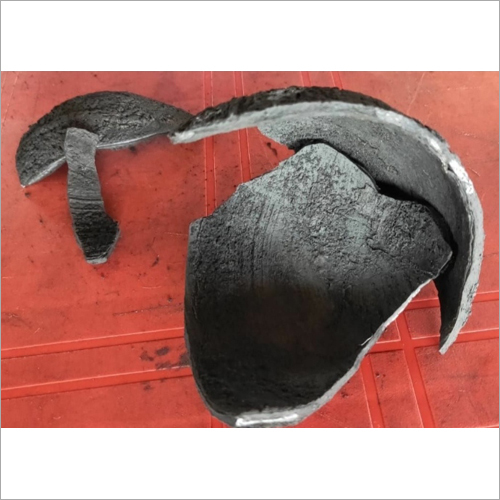
Our company deals in coconut shell charcoal that is widely used for versatile applications. It is used to make activated coconut charcoal powder, that is definitely an efficacious cleansing agent. The charcoal powder is used in the beauty sector as it significantly removes the dirt, bacteria, and pollution that often get collected on the surface of the facial and bodily skin. Therefore, the powder made with coconut shell charcoal can make an efficient facial mask to minimize the skin pores. It can also be used for water filtration purposes.
SPECIFICATION
|
Packaging Size
|
Available in 20Kg, 25Kg
|
|
Moisture
|
9.5%
|
|
Packaging Type
|
Available in HDPE Bag
|
|
Gross Calorific Value
|
6000 to 7500 kcal/kg
|
Exceptional Quality and High Carbon OutputProduced from natural coconut shells, this charcoal stands out due to its high carbon composition and very low ash residue, ensuring cleaner and more efficient combustion. Its slow-burning nature and strong physical form make it an optimal choice for both industrial and household fuel, as well as for transforming into activated carbon for purification systems.
Diverse Applications Across IndustriesCoconut Shell Charcoal briquettes are extensively utilized in barbecuing, industrial fuel, water filtration, and the manufacture of activated carbon. Thanks to low moisture and consistent calorific value, it's favored for both domestic and large-scale industrial operations that require high performance and clean-burning characteristics.
FAQ's of Coconut Shell Charcoal:
Q: How is coconut shell charcoal manufactured?
A: Coconut shell charcoal is produced by carbonizing naturally sourced coconut shells at high temperatures in a controlled environment. This thermal process removes moisture, volatile matter, and impurities, resulting in a high-carbon, odorless, and solid briquette suitable for various uses.
Q: What are the benefits of using coconut shell charcoal over traditional wood charcoal?
A: Coconut shell charcoal offers several advantages: lower ash production, higher fixed carbon content, slow and steady burning, an odorless profile, and greater hardness, preventing crushing during handling. Its eco-friendly origins also support sustainable resource utilization.
Q: Where can coconut shell charcoal be used?
A: This product is suitable for both domestic and industrial environments. It is widely used as a fuel for barbecues and heating, as well as in industries requiring activated carbon for filtration, purification, and chemical processes. Additionally, it serves well in water filtration systems.
Q: What is the process for converting charcoal into activated carbon?
A: The charcoal is subjected to a further activation process involving high temperature and controlled steam or chemical exposure. This increases its surface area and porosity, enabling it to trap contaminants efficiently, making it ideal for purification and filtration applications.
Q: When should coconut shell charcoal be preferred in industrial applications?
A: It is best utilized where high calorific value, low moisture content, and minimal ash residue are critical. Industries involved in metal smelting, water treatment, or chemical manufacturing often prefer coconut shell charcoal for its performance and consistency.
Q: How does the charcoal's hardness benefit consumers?
A: High hardness ensures that the charcoal briquettes do not crush easily during transport or storage, maintaining integrity and reducing wastage. This feature ensures consistent performance during combustion, whether for small-scale or industrial use.
 08071792965








 Send Inquiry
 Send Inquiry
 Send SMS